How to Act Like You've Been There Before: The Unofficial Sportsbook Code Every Serious Bettor Should Know
How to Act Like You've Been There Before: The Unofficial Sportsbook Code Every Serious Bettor Should Know
There's a version of the sportsbook experience that gets shown in movies and TV commercials — big screens, cold drinks, everyone cheering together like one big happy family. That version exists. But there's another version running quietly underneath it, one governed by unspoken rules, subtle social hierarchies, and a set of norms that the regulars absorbed over years of showing up. If you're new to betting in person — or you've been going for a while but still feel like an outsider — this is the guide nobody handed you at the door.
The Ticket Window Isn't a Brainstorming Session
Let's start at the most common friction point in any sportsbook: the betting window. The line behind you is not the place to work out your final decisions. Ticket writers are professionals moving through high volumes of bets, especially during peak hours before kickoff or tip-off. Showing up undecided, fumbling with your phone, or trying to explain a three-leg parlay you half-invented on the walk over — that's the fastest way to earn a reputation you don't want.
The move is simple: know your bet before you get to the window. Have the team name, the line type (spread, moneyline, total), the amount, and any relevant game number written down or pulled up on your phone. It takes two minutes of prep and signals immediately that you know what you're doing. Regulars respect the window. Rookies treat it like a help desk.
On the subject of tipping — yes, it's a thing, and yes, it matters. Ticket writers in most US sportsbooks, from the Vegas Strip to regional casino floors, work for wages that assume gratuity is part of the deal. A dollar or two on a standard bet, a little more on a larger wager, goes a long way. It won't get you better odds, but it will get you better service, faster lines when it's busy, and the kind of quiet goodwill that makes the whole experience smoother over time.
Reading the Room During a Big Game
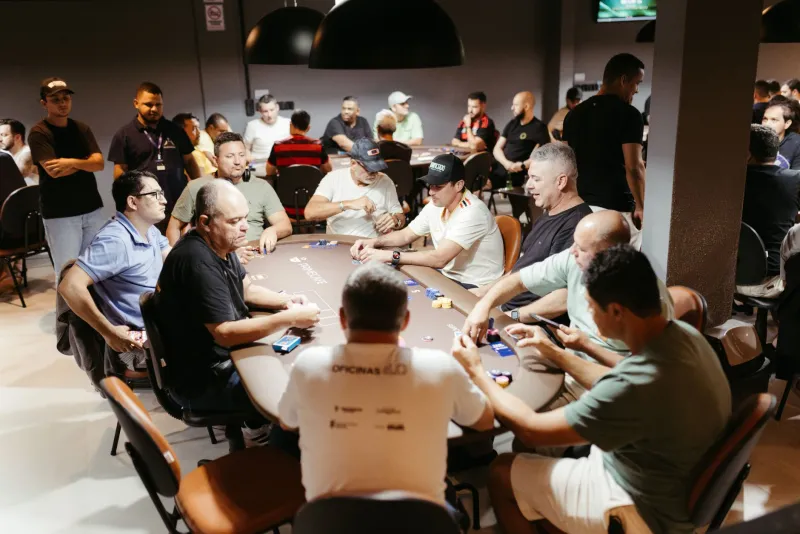
A packed sportsbook on Super Bowl Sunday or during March Madness is its own kind of social ecosystem. There are the casual fans who showed up for the vibe, the regulars who staked out their seats two hours early, and the sharps who are barely watching the screen because they're already three games ahead in their heads.
Knowing which crowd you're in — and acting accordingly — matters more than most people realize. If you're in a section where people are clearly focused, keep the noise down between plays. Cheering a cover is fine. Loudly announcing your entire betting card to strangers is not. The regulars are usually easy to spot: they're calm, they're watching multiple games at once, and they're not performing for an audience.
Seat etiquette is another one of those things nobody explains. In a busy book, don't plant yourself at a prime viewing table with a single drink and no bet slip. Those seats are for bettors who are actively in action, and the regulars notice when someone's just camping. If the book is filling up, be aware of the space you're taking. This isn't a movie theater — the seating culture is more fluid, and being considerate about it earns you a lot of quiet respect.
How to Handle a Bad Beat Without Losing the Room
Every bettor has been there. You're covering by a touchdown with two minutes left, and the other team scores a garbage-time TD that costs you the spread. It's brutal. It's also completely normal, and how you handle it in public says a lot about where you are as a bettor.
The regulars have a term for the guys who lose their minds over bad beats in public: they call them square. Not because losing hurts — it always hurts — but because the reaction reveals that the bettor was emotionally invested in a way that serious gamblers try to avoid. Throwing a ticket, cursing out the screen, or loudly relitigating the play to anyone in earshot? That's amateur hour. The sharps take the loss, maybe shake their heads, and move on to the next game.
This isn't about suppressing genuine emotion — it's about understanding that in a sportsbook full of people who've all lost big at some point, nobody's particularly sympathetic to a public meltdown. The culture rewards composure. It's one of those invisible signals that separates someone who's been around from someone who hasn't.
The Unspoken Hierarchy of Information
One of the most interesting social dynamics in any serious sportsbook is how information gets shared — or more accurately, how it doesn't. Sharp bettors are not in the habit of broadcasting their plays. If someone's sitting next to you and they seem to actually know what they're doing, don't pepper them with questions about who they like in the late game. That information has value, and they earned it.
What you can do is observe. Watch what the sharps are betting, when they're betting it, and how they're reacting to line movement. You'll learn more from fifteen minutes of quiet observation than from any conversation you try to force. The regulars who are willing to talk will talk — but on their terms, not because you cornered them at the window.
Conversely, be careful about the guys who want to tell you everything. In a sportsbook environment, unsolicited advice from a stranger is almost never the edge it's presented as. If someone's eager to share their lock of the week with a person they just met, ask yourself why.
A Few Quick Rules That Go a Long Way
Beyond the bigger social dynamics, there's a short list of practical etiquette that covers most situations:
- Don't hover at the window. Place your bet and step aside. The people behind you have their own action to get down.
- Know the house rules before you ask basic questions. Most sportsbooks have their betting minimums, payout policies, and rules posted. Read them.
- Keep your tickets. Lost tickets are your problem, not the book's. The regulars know this and treat their slips accordingly.
- Don't celebrate another bettor's loss. Even if you had the other side, keeping that energy to yourself is basic decency.
- Learn the lingo. Knowing the difference between a teaser and a parlay, or what "juice" means on a line, signals that you belong there. Showing up without that vocabulary signals that you don't.
The Bigger Picture
At its core, sportsbook etiquette is really just about respect — for the staff, for the other bettors, and for the space itself. The books that feel electric and alive, the ones you actually want to spend time in, get that way because the regulars who populate them have built a culture worth being part of. You earn your place in that culture the same way you earn anything in betting: by doing the work, keeping your composure, and showing up with a little more knowledge than you had the last time.
At 888XBets, we're all about giving you the edge — and sometimes that edge isn't in the numbers. Sometimes it's knowing how to carry yourself when the game is on the line and the room is watching.